
The wait is over. IIT Roorkee declared the JEE Advanced results 2026 on June 1, 2026, and the numbers tell an interesting story. Out of 1,79,694 candidates who appeared for both Paper 1 and Paper 2 on May 17, 2026, a total of 56,880 candidates qualified and received an All India Rank. That is approximately a 4.6% rise from the 54,378 candidates who qualified in 2025. Among the 56,880 qualifiers, 10,107 are female candidates. Now that the JEE Advanced results are out, the real race for IIT seats begins through the JoSAA 2026 counselling process, which opened on June 2, 2026. For students planning their next steps after the results, this guwahati coaching centre can help with counselling strategy, rank analysis, and IIT admission guidance.
What Are the Key Statistics From JEE Advanced 2026?
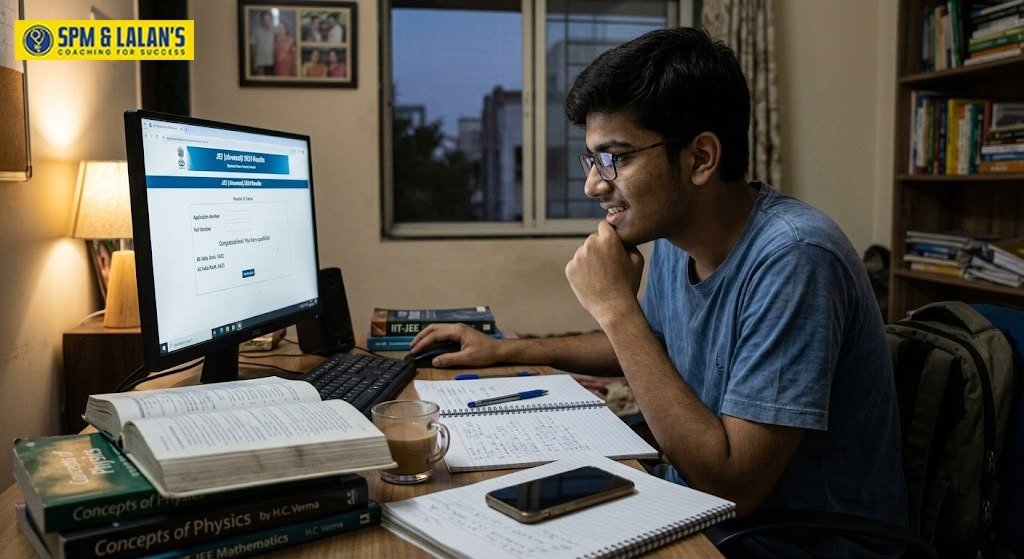
The JEE Advanced results 2026 came with a clear set of numbers that every aspirant and parent needs to understand.
| Statistic | Number |
| Total eligible candidates (Top JEE Main 2026 qualifiers) | 250,284 |
| Total registered for JEE Advanced 2026 | 187,389 |
| Total appeared for both Paper 1 and Paper 2 | 179,694 |
| Total qualified | 56,880 |
| Female qualifiers | 10,107 |
| Approximate pass rate | 31.7% |
| Approximate IIT seats available | 17,000+ |
| JoSAA 2026 counselling starts | June 2, 2026 |
| Result declared by | IIT Roorkee |
Out of the 250,284 eligible candidates, approximately 71,590 either did not register or did not appear for the exam. Among those who did appear, roughly 1 in 3 cleared the qualifying threshold, which confirms the highly competitive nature of this examination.
Who Topped JEE Advanced 2026?
The JEE Advanced 2026 results also brought the official topper list. Shubham Kumar from the IIT Delhi zone secured AIR 1 with 330 marks out of 360. Kabir Chhillar finished second with 329 marks, and Jatin Chahar secured the third rank with 319 marks. Arohi Deshpande is the female topper of JEE Advanced 2026 with an All India Rank of 77.
The toppers list also includes zone-wise and category-wise rank 1 holders across the General (CRL), GEN-EWS, OBC-NCL, SC, and ST categories, all published on the official portal at jeeadv.ac.in.
What Does the 56,880 Figure Actually Mean for IIT Seats?
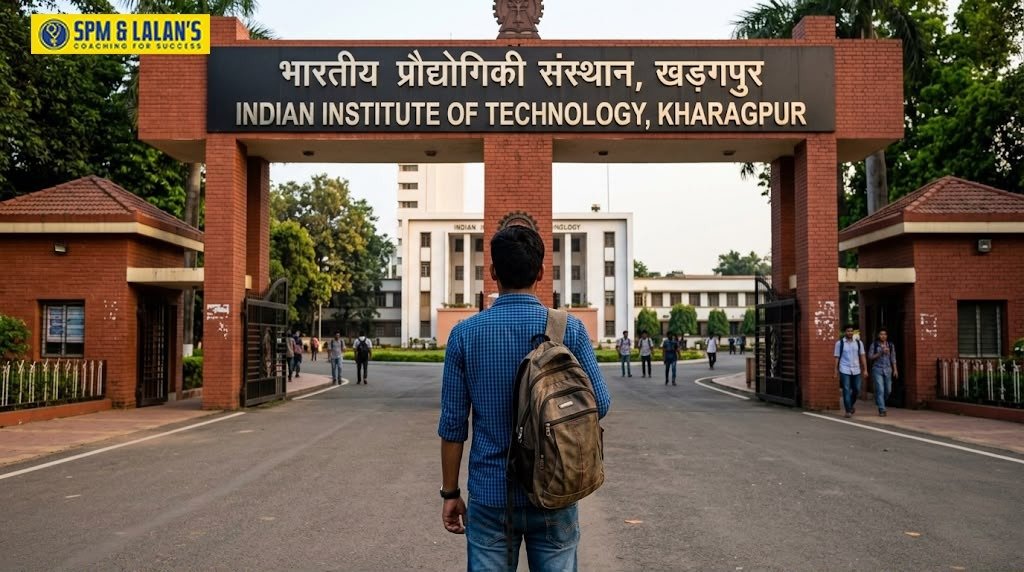
This is the critical question that every qualified candidate needs to understand clearly. The JEE Advanced results show 56,880 candidates qualifying, but the total number of IIT seats across all 23 IITs is approximately 17,000. Since the number of qualified candidates significantly exceeds available IIT seats, roughly 40,000 candidates who qualified JEE Advanced 2026 will not receive an IIT seat.
However, all 56,880 qualified candidates are eligible to participate in JoSAA 2026 counselling, which manages seat allocation not just for IITs but across 31 NITs, 26 IIITs, and 33 other Government Funded Technical Institutes (GFTIs) as well. So while getting an IIT seat requires finishing within the top 17,000 or so in rank order (category-wise), every qualifier has strong options available through the same counselling process.
The approximate 4.6% rise in the number of qualifiers in 2026 compared to 2025 means slightly more candidates are competing for roughly the same number of IIT seats, making rank and choice filling strategy even more important this year.
What Does the Scorecard Contain in the JEE Advanced 2026 Results?
Once candidates access the JEE Advanced results on jeeadv.ac.in using their roll number, date of birth, and registered mobile number, the scorecard they download contains a detailed set of information.
The scorecard includes the candidate’s name, roll number, registration number, date of birth, and category. It also shows the qualifying status, the All India Rank (AIR), subject-wise marks in Physics, Chemistry, and Mathematics, the total aggregate marks out of 360, the category-wise rank, and the cutoff details applicable to the candidate’s category. This scorecard serves as the primary document throughout the JoSAA 2026 counselling process.
How Do the JEE Advanced 2026 Qualifying Numbers Compare to Previous Years?
Looking at the JEE Advanced results over recent years provides context for the 56,880 figure.
| Year | Appeared | Qualified | Female Qualifiers |
| 2026 | 179,694 | 56,880 | 10,107 |
| 2025 | 1,804,22 | 54,378 | — |
| 2024 | — | ~48,000+ | — |
The number of qualifiers has been on a rising trend, which reflects both increasing participation and the relatively stable cutoff percentages set in 2025 and 2026 at 20.56% for the General category. The comparatively easier 2024 paper had a higher cutoff of 30.34% for General but also produced a different qualification distribution. The JEE Advanced results 2026 confirm that the trend of rising qualifiers continues, even as the actual IIT seat count has not grown at the same pace.
One of the most effective ways to understand exam trends and difficulty levels is by solving previous year papers.
What Is the JoSAA 2026 Process and How Does It Work?
Since the JEE Advanced results are now out, qualified candidates must immediately focus on the JoSAA 2026 process, which started on June 2, 2026. JoSAA, the Joint Seat Allocation Authority, manages centralized seat allocation across all 23 IITs, 31 NITs, 26 IIITs, and 33 GFTIs.
Every qualified JEE Advanced candidate must register on the JoSAA 2026 portal and fill in their choices of institutes and academic programs during the choice-filling window. The portal displays only those IITs and courses for which a candidate’s rank and category make them eligible, which simplifies the choice filtering process. After each round of seat allotment, candidates receive an allotment letter listing the IIT or NIT and the specific B.Tech program they have been allocated, along with the seat acceptance fee details.
For candidates who do not get an IIT seat through JoSAA, the process remains the same, they continue in subsequent rounds for NIT, IIIT, or GFTI seats using their JEE Main rank. JoSAA also publishes a reference list of the last rank that secured admission in each top IIT in previous years, which helps candidates gauge realistic targets during choice filling.
What Should Qualified Candidates Do Right Now?
Since the JEE Advanced results are declared and JoSAA registration has begun, here is the immediate action plan every qualified candidate should follow.
Register on the JoSAA 2026 portal without delay since the choice filling window is time-limited and every round of seat allotment requires active participation. Study the previous year’s opening and closing ranks for the IITs and programs you are targeting, since these give the most realistic picture of where your rank stands relative to historical trends. Fill choices strategically, do not only pick the highest-ranked IITs with very low closing ranks. Include a realistic spread of institutes and programs that your rank can competitively access. Use your category rank, not just the CRL rank, since reserved category candidates often have access to a wider range of options through their category-specific closing ranks. Keep all required documents ready for the online reporting and verification stage that follows seat allotment. Candidates aiming for a better branch upgrade, partial drop preparation, or future competitive exams can also explore the best online coaching for JEE Advanced for advanced-level preparation strategies.
Candidates aiming to improve their problem-solving speed and exam readiness can take full-length mock tests designed for JEE and NEET aspirants.
What About Candidates Who Did Not Qualify JEE Advanced 2026?
Not qualifying JEE Advanced does not mean the end of engineering admissions. Students preparing for another attempt can also consider specialized JEE coaching in Guwahati for structured preparation and mentorship. Candidates who appeared for JEE Advanced 2026 but scored below the cutoff, as well as those who did not appear at all, can still register for JoSAA 2026 counselling using their JEE Main 2026 rank for seats at NITs, IIITs, and GFTIs. These institutions together offer tens of thousands of engineering seats across the country, and many of them have strong academic reputations and excellent placement records. Students planning to appear again next year should also understand how many attempts are allowed for JEE Advanced before preparing for another attempt.
Since the JEE Advanced results 2026 confirmed that only about 31.7% of those who appeared qualified, a large number of serious candidates will be pursuing NIT and IIIT seats through JoSAA. These candidates should approach the JoSAA choice filling process with the same level of preparation and strategic thinking that IIT-bound candidates bring to it.
Conclusion
The JEE Advanced results 2026 mark both an achievement and a starting line. The 56,880 candidates who qualified have cleared one of India’s toughest academic filters, with Shubham Kumar leading the batch at AIR 1 with 330 out of 360 marks. But with only approximately 17,000 IIT seats available, the 56,880 qualifier figure means the counselling process is just as important as the exam itself. JoSAA 2026 opened on June 2, and how candidates use their rank, through smart choice filling, strategic use of category ranks, and realistic target setting, will determine who actually makes it to an IIT. Candidates who did not qualify or who miss IIT seats still have strong engineering pathways through NITs, IIITs, and GFTIs in the same JoSAA process. The results are out, and the next chapter begins now.
Frequently Asked Questions (FAQs)
How do I apply for an IIT seat now that JEE Advanced results are out?
Seat allocation for IITs, NITs, IIITs, and GFTIs following the results is centrally managed by the Joint Seat Allocation Authority through the JoSAA 2026 portal. Registration started on June 2, 2026. Qualified candidates must log in, register, and fill in their choices of institutes and academic programs within the designated window. Each round of allotment follows the choices submitted, and candidates receive a seat allotment letter after each round.
What if I do not get an IIT seat through JoSAA?
Approximately 40,000 of the 56,880 candidates who qualified for the results will not receive an IIT seat since the total IIT capacity is around 17,000. However, all qualified candidates remain eligible for seats at 31 NITs, 26 IIITs, and 33 GFTIs through the same JoSAA process using either their JEE Advanced rank or their JEE Main rank. These institutions cover a wide range of engineering programs, and many have excellent placement records, so missing an IIT seat is not the end of the road.
How many students are actually expected to make it to an IIT?
Out of 56,880 candidates who qualified as per the results, only approximately 17,000 will secure IIT seats, meaning roughly 40,000 qualifiers will miss out despite clearing the exam. Success at the IIT admission stage comes down to rank, category, and careful choice filling during JoSAA counseling. Candidates with ranks in the lower ranges have a stronger chance of converting their qualification into an IIT seat by using their category ranks effectively and including a wide range of choice options during the filling stage.

This article is written by the SPM & LALAN’S Content Team, a group of skilled writers, researchers, and content strategists passionate about creating accurate, reliable, and student-friendly educational content. Every article is thoroughly researched, fact-checked, and updated to ensure readers receive trustworthy and relevant information. The goal is to help students make informed academic decisions through clear, well-researched, and easy-to-understand content.